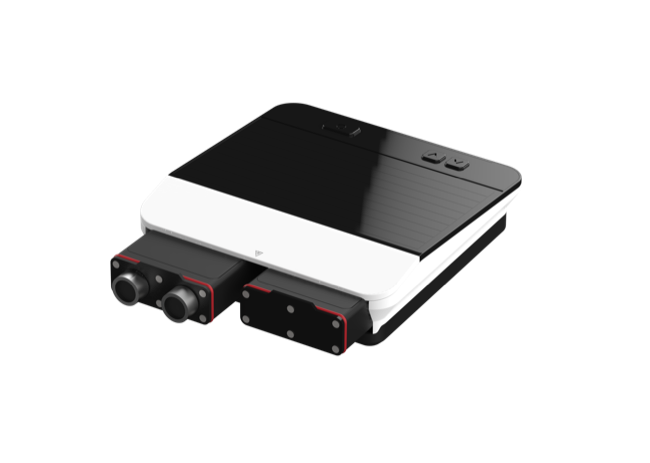
Roboticist Barbara Mazzolai is advocating an approach that treats a robot’s relationship with the environment as part of its engineering specification. Her work draws on octopuses, roots and other living systems, while asking how the resulting machines can serve people without creating avoidable environmental burdens.
Biology provides mechanisms to investigate
Mazzolai’s route into robotics began with biology and environmental science. Work on heavy-metal contamination introduced her to the interactions between organisms, soil and water. Further study in environmental management led to research at Scuola Superiore Sant’Anna, where she developed sensors and later robots for observing air, water and soil.
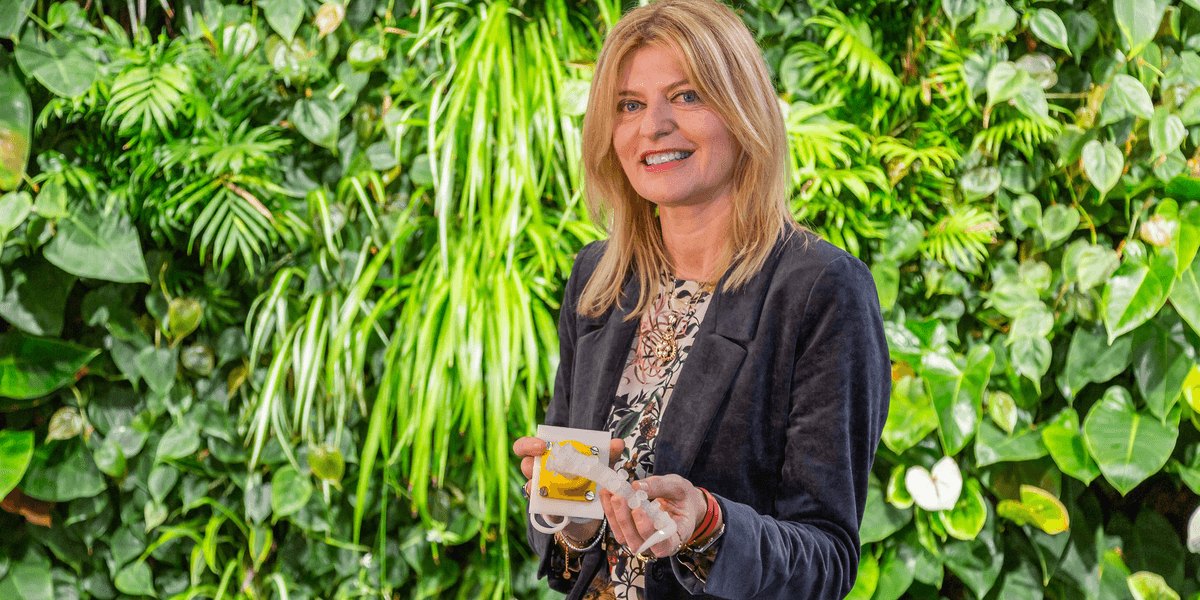
She later pursued microsystems engineering at the University of Rome Tor Vergata and developed her research at the Italian Institute of Technology. Combining those disciplines made it possible to study a living mechanism in detail and then ask which of its principles could be engineered into a machine.
Soft machines can still apply useful forces
An early example was an octopus-inspired robot. The animal offered a model for a body that could deform and interact with its surroundings while still applying substantial force. Such work helped establish soft robotics as a way to build machines with different mechanical behaviour from conventional rigid structures.
Mazzolai also argues for sensing beyond a robot’s own movement and position. Physical and chemical measurements can help a machine understand the environment it passes through, opening applications in environmental observation and agriculture.
Growing at the tip offers another way to move
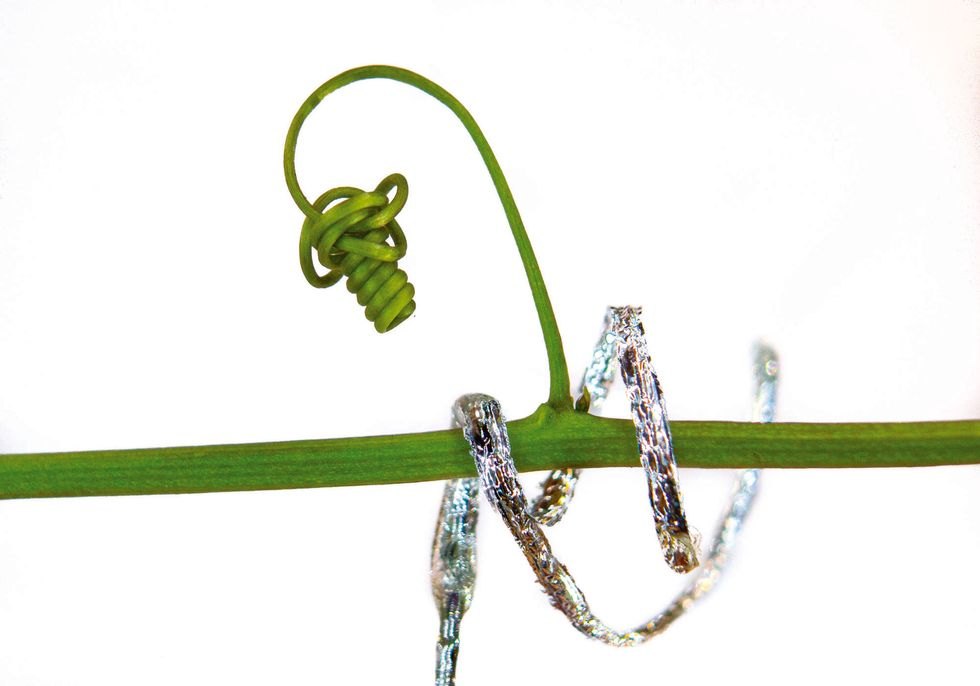
Plants provide a less obvious model than moving animals, but their roots continually explore and adapt to their surroundings. A root advances mainly through growth at its tip while the thicker structure behind it remains relatively still. This reduces the friction involved in moving through soil compared with pushing an entire rigid structure forward.
To reproduce that principle, Mazzolai’s team developed a miniature 3D-printing mechanism at a robot’s tip. Heated thermoplastic filament forms new body material as the machine advances, leaving a growing structure behind it. Sensors near the tip help detect obstacles, water or nutrients.
The objective is to translate a useful mechanism rather than reproduce an organism exactly. A biological system and an engineered tool have different requirements, so the design must select the principle that serves the intended task. Root-like exploration could support soil observation, environmental modelling and precision agriculture.
Environmental responsibility spans the whole life of a robot
Mazzolai’s sustainability-robotics proposal has three connected priorities. Machines should minimise environmental damage, be accessible across different communities and income levels, and offer benefits to both people and the natural environment. Environmental responsibility becomes a design goal from the beginning.
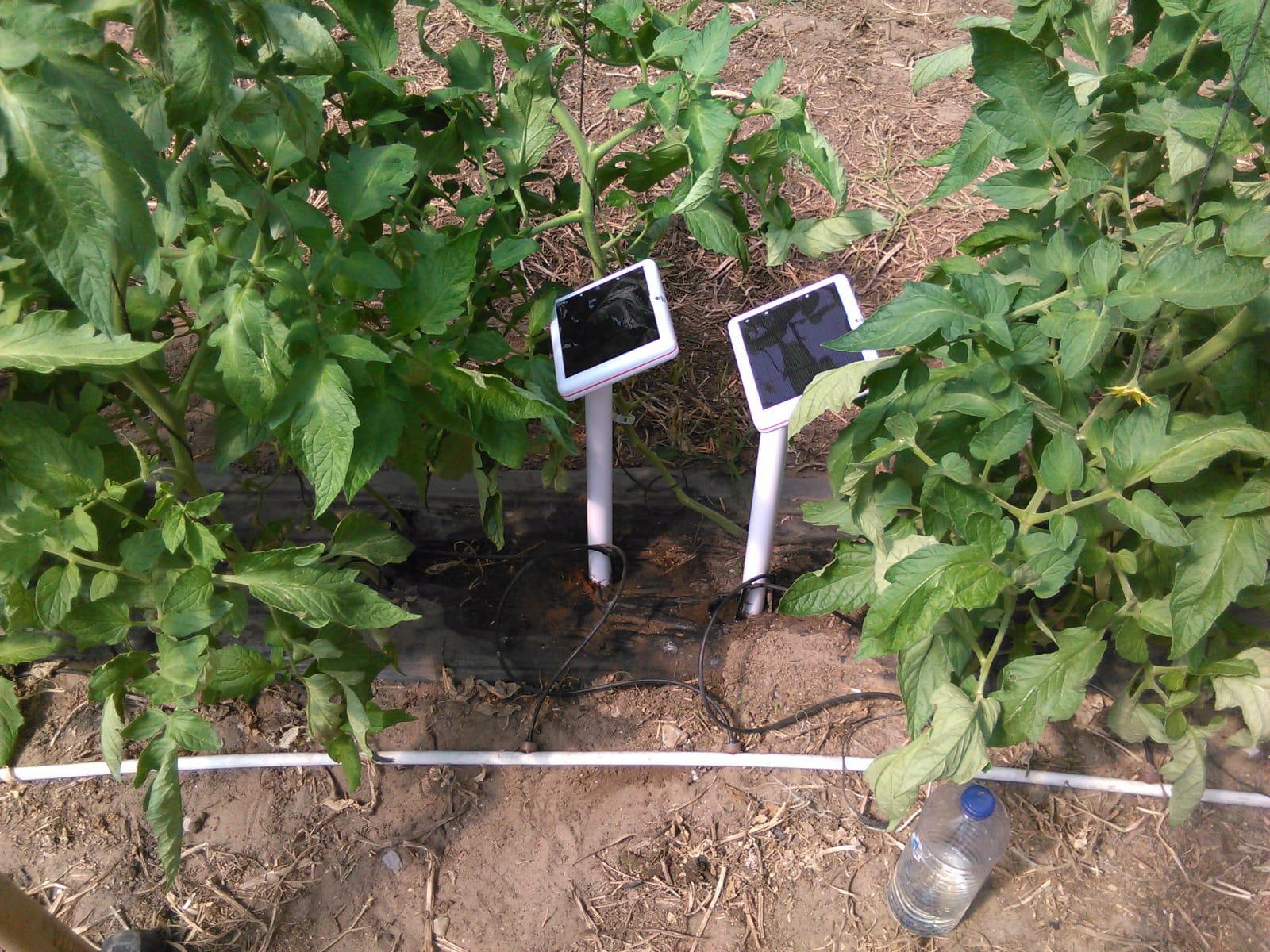
That includes considering materials, useful life and what happens when a device is no longer needed. The research direction explores whether machines can be reused, recovered or designed with biodegradable elements, alongside the functions they perform during operation. These are engineering ambitions to develop and validate, not properties already demonstrated by every bioinspired robot.
The wider opportunity is to build environmental sensing and robotic movement around the task and the setting. Taking ideas from nature can provide new mechanisms; assessing their consequences helps determine whether those mechanisms deliver a useful and responsible technology.