
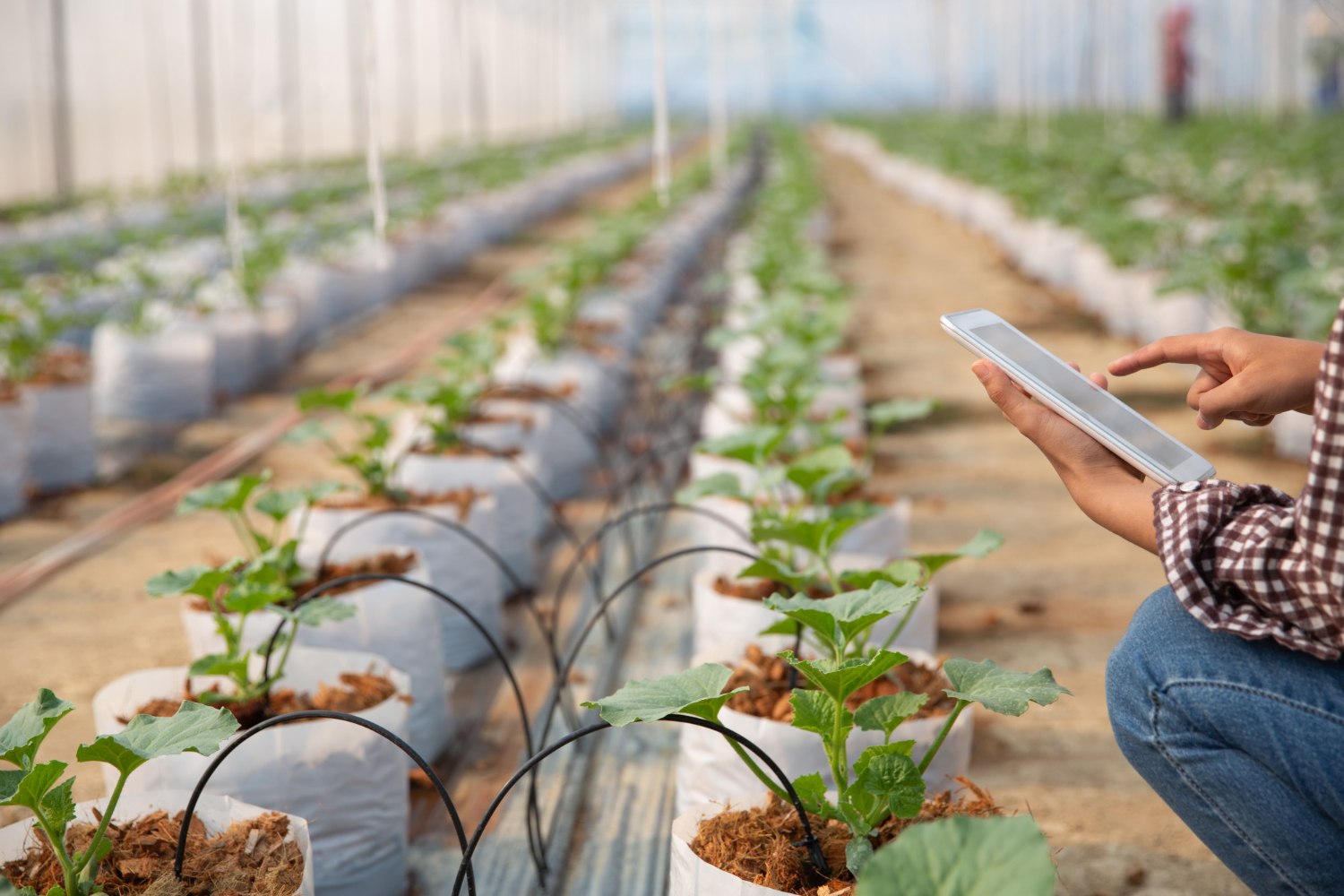
Livestock and water infrastructure often sit at the edge of cellular coverage. Connected farming in those locations needs devices that can run with limited maintenance, report useful changes and remain manageable when a deployment grows to thousands of units.
Tracking a herd at practical scale
For livestock monitoring, device cost and power requirements matter alongside network reach. The solar-powered Globalstar GSatSolar tracker is designed for off-grid operation, with a lightweight form comparable to an animal ear tag. Its Bluetooth Low Energy interface supports applications involving environmental conditions and unusual movement.
A herd-scale service may contain many devices generating relatively little revenue per connection. Event-driven alerts and a repeatable onboarding process therefore become important parts of the service: operators need to manage large numbers of units without requiring constant manual attention.
Choosing telemetry for remote water assets
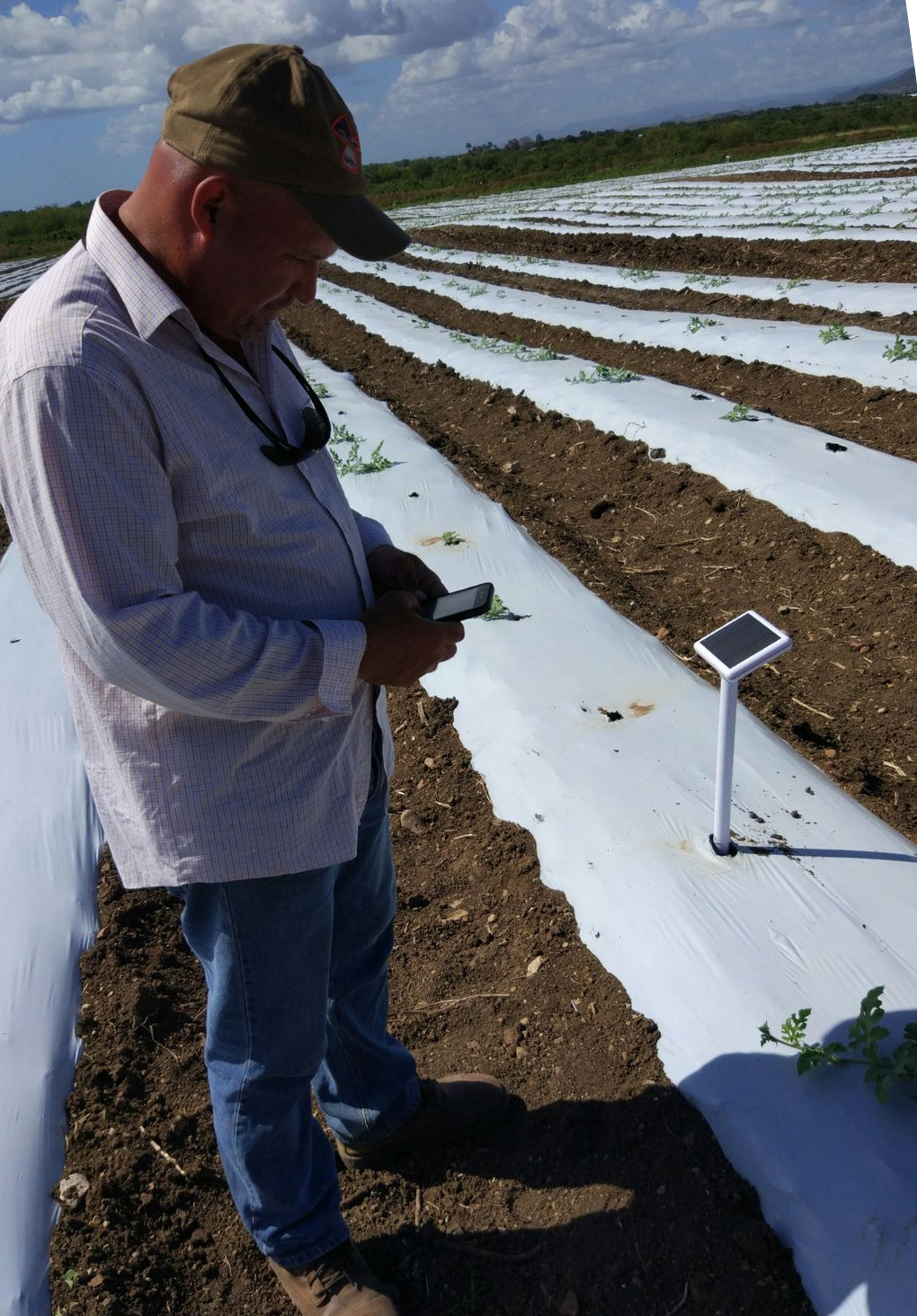
Water tanks and irrigation reservoirs are important agricultural assets that can be costly to inspect in person. Level-monitoring devices can send readings from those locations, helping operators follow changes without making a site visit for every measurement.
The Globalstar STX3 module supports low-power, one-way telemetry devices. Where an installation also needs remote changes to reporting settings, the RM200M provides two-way messaging. Selecting between those approaches depends on whether the site needs only to send readings or also to receive instructions.
Managing connectivity across the farm
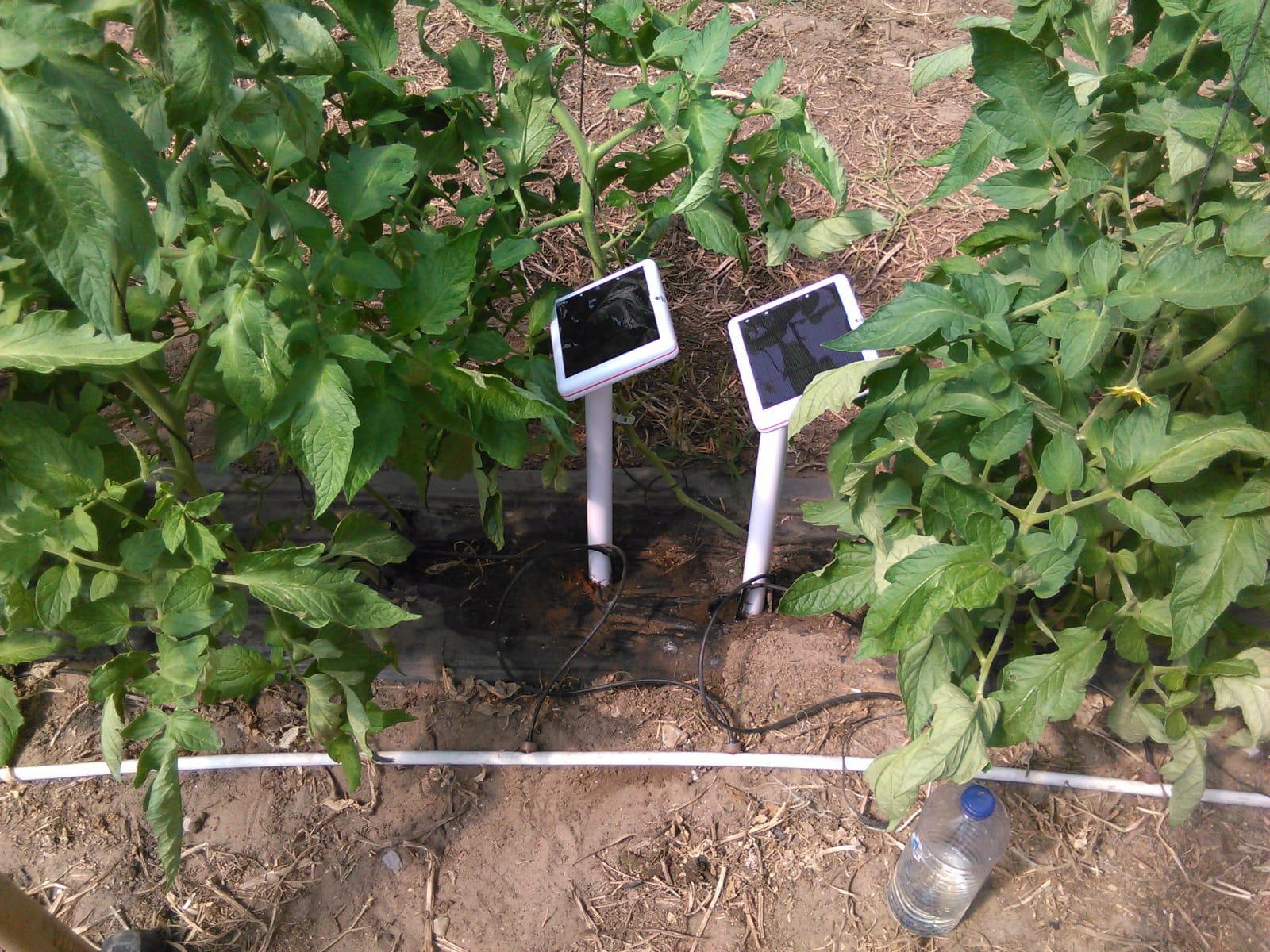
SGP.32 eSIM IoT specifications offer a route to large-scale provisioning of constrained devices. In a suitable hybrid design, equipment can use NB-IoT or LTE-M where those networks are available and satellite connectivity beyond their reach. Such a design depends on compatible hardware and services; profile management alone does not add a satellite radio to a device.
Bringing livestock tracking and water monitoring into the same operational approach can help farms extend connected services across dispersed assets. The service must balance useful alerts, reporting requirements, energy use and the effort of managing equipment in remote locations.