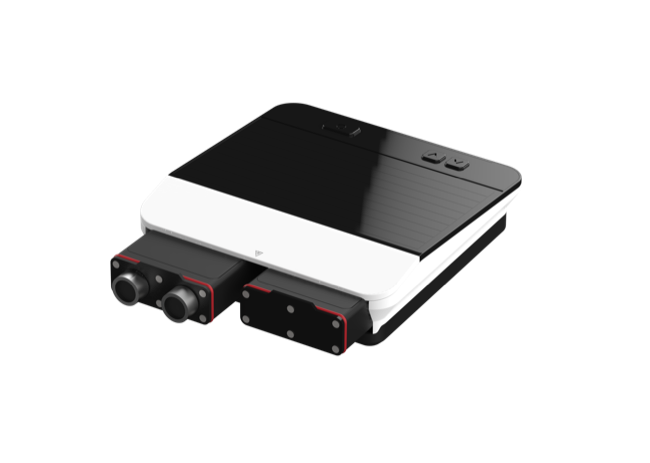
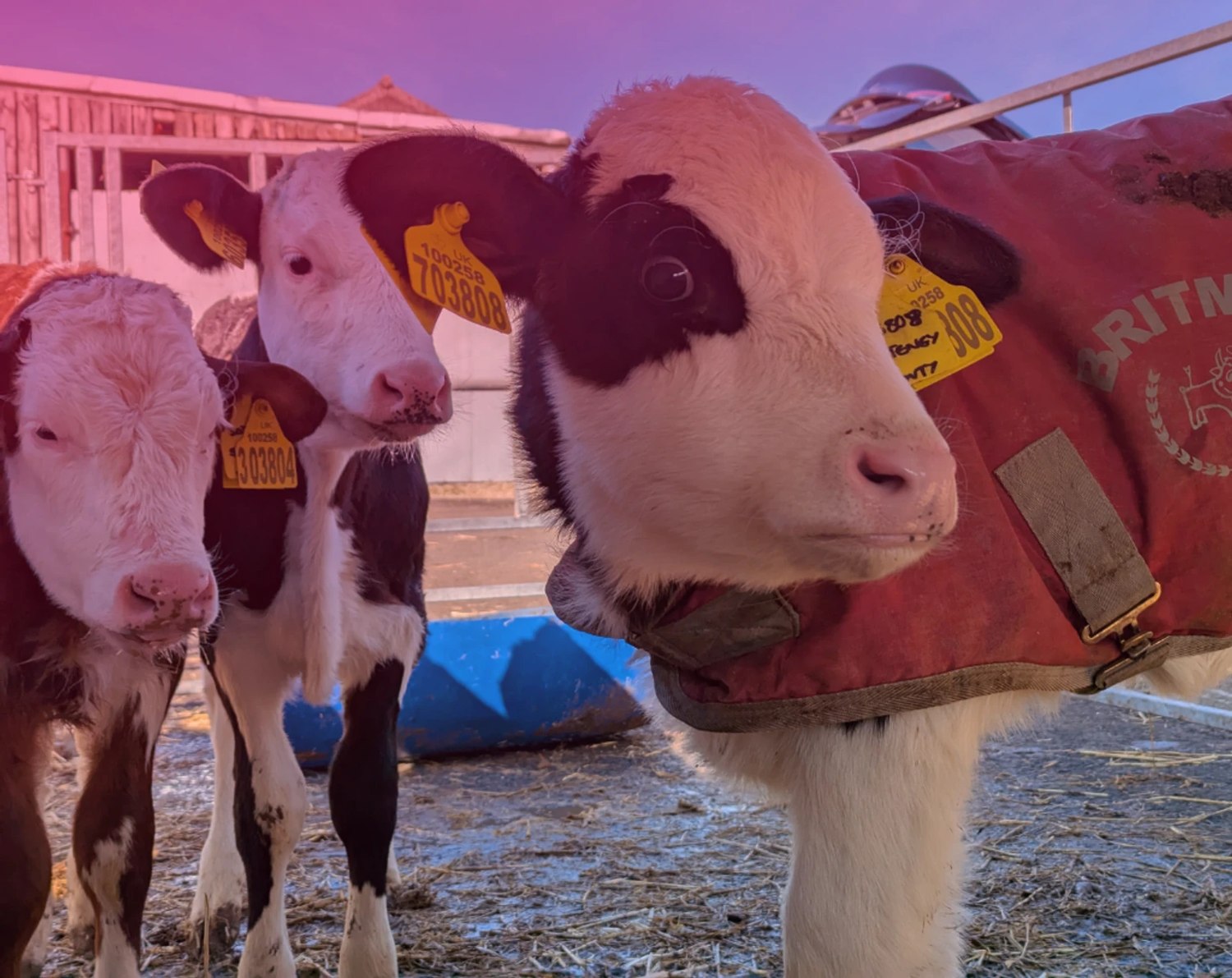
A West Sussex deployment is connecting in-pen environmental monitoring to a private 5G network. The system gives farmers near-real-time information about conditions inside livestock buildings, helping them identify changes that could increase animal stress or respiratory health risks.
Measuring where the animals are
The deployment combines Pneumonitor’s in-pen device with connectivity from Boldyn Networks through the Growing Sussex programme. Instead of relying only on readings from sensors fixed to a wall, the device measures conditions in the space occupied by the animals.
That location matters when conditions inside a building change faster than they can be recognised by eye. Measurements can help reveal an increasing heat load and support earlier responses, while providing a clearer view of the environment experienced by the livestock.
The aim is to help farmers respond to environmental factors linked to animal health, welfare and production. Repeated heatwaves in parts of the UK and Europe add pressure to livestock operations, making timely information about the animals’ immediate surroundings increasingly useful.
A reduced-capability route to 5G
The device connects using 5G Reduced Capability, commonly called RedCap. This technology is intended for IoT equipment that does not need the full capability of a conventional 5G device, allowing a more focused balance of connectivity, power consumption and hardware requirements.
Lower power and battery requirements can support longer device operation and reduce the maintenance burden of a farm deployment. These benefits depend on the equipment and operating configuration, but they help explain the use of RedCap for ongoing environmental monitoring.
Part of a wider connected-agriculture programme
Growing Sussex brings together West Sussex County Council, education specialists, technology partners and agricultural businesses to develop practical applications of 5G, IoT and AI across farming and food production. Growers and livestock producers contribute to the applications being developed.
The programme’s four private 5G partner sites were already operational before the livestock-building integration was added. Connecting the in-pen equipment expands the monitoring applications available through that infrastructure and creates a route for the system to reach more farm sites.
The deployment links an animal-level monitoring approach with a communications system designed for connected agricultural services. Its value lies in making changing conditions visible early enough for a farmer to respond, while keeping the monitoring equipment practical to operate across more locations.
Explore connected environmental instruments
For agricultural projects that also need soil and weather measurements, Deep Orbital offers connected sensors, weather stations and IoT gateways. Explore the agricultural instruments range to consider how field observations can complement an environmental monitoring plan.