Livestock monitoring uses connected instruments to follow both animals and the conditions around them. Fixed environmental sensors, individual tags and remote dashboards provide different types of information, helping farmers investigate changes and organise work across a herd or building.
Matching the device to the animal and the question
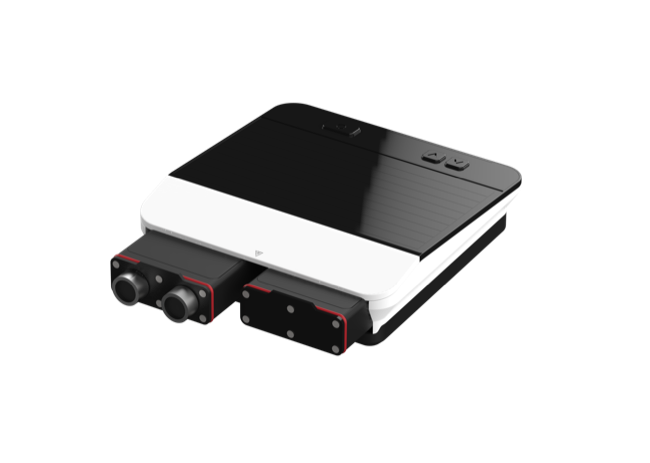
Animals housed in a relatively stable location, including poultry and pigs, can be monitored partly through fixed instruments. Temperature, humidity, light, carbon dioxide and ammonia readings help describe the building environment and can inform ventilation and lighting adjustments. In poultry housing, lighting conditions are particularly relevant to growth, feeding and egg production.
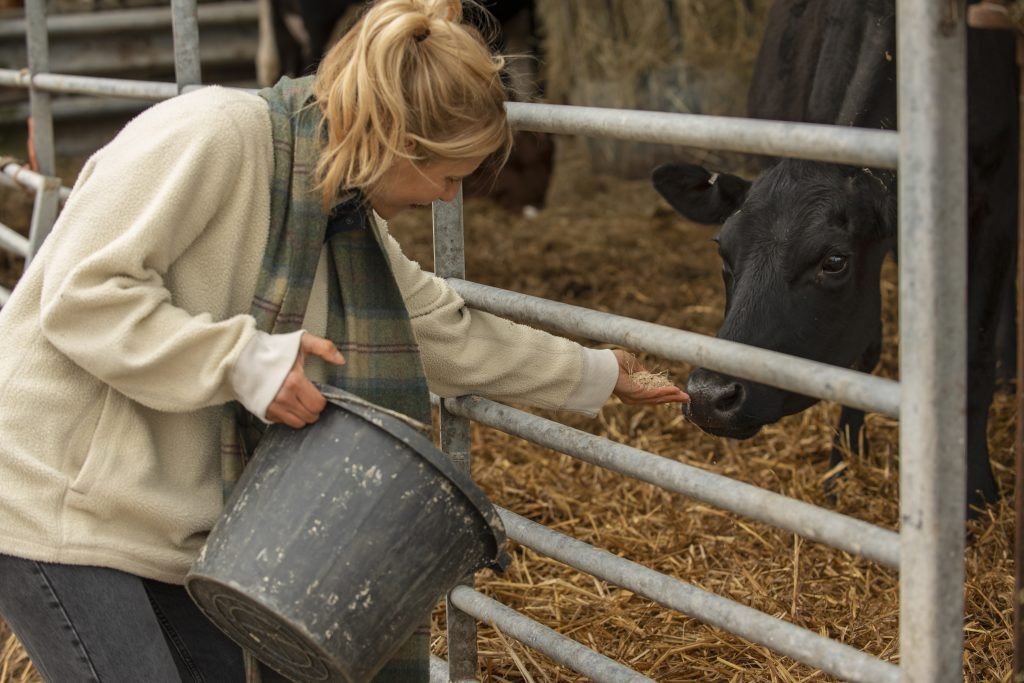
More mobile or valuable animals, such as cattle and sheep, may justify individual tracking. Tags can help locate an animal and connect its movements with other observations. In lower-value groups, a smaller number of environmental sensors, sometimes combined with RFID identification, may offer a more practical approach.
Choosing the system this way also affects labour. Remote records can reduce the time spent finding animals or carrying out repetitive checks, while directing attention toward those that need a closer inspection.
Earlier observations can support earlier investigation
Changes in an animal’s measurements or behaviour can precede an obvious problem. Monitoring provides another route for recognising those changes, potentially limiting the consequences of illness when a farmer responds appropriately. A signal from a device is part of the evidence for assessment, rather than a substitute for an animal-health examination.
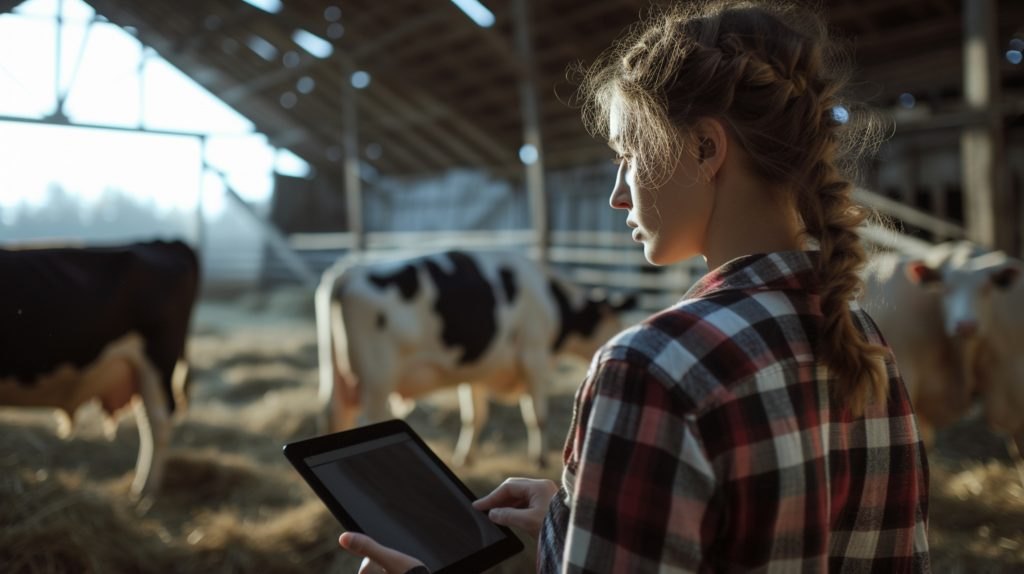
A two-farm example involving smaXtec in Germany describes an 80% reduction in severe disease progression, no disease-related animal losses and improved milk output. These are outcomes described for those deployments and should not be treated as a universal performance promise for livestock sensing.
Following heat stress and reproductive conditions
Hot conditions can affect milk production and reproductive performance. Remote observations allow farmers to follow the environment and signs of animal condition between visits, supporting decisions about husbandry and helping identify animals that need attention.
Heat-stressed cows can have substantially lower conception rates, and a successful pregnancy still requires ongoing observation. In one US example, use of GEA CowScout, powered by Nedap, was associated with an increase in pregnancy rate from 25% to 33%. The example illustrates a potential use of monitoring rather than establishing that a device alone determines the outcome.
Smaller livestock also benefits from remote records
Beehives provide another application for connected monitoring. Hive weight, temperature and humidity can help a beekeeper follow colony conditions without opening every hive or travelling to each location. Suitable systems can issue alerts when measurements move outside the expected range or when activity suggests a change in colony condition.
These observations matter because bees contribute to pollination as well as honey production. The practical objective is to give beekeepers timely information about a living system that can change between inspections.
Costs and operating conditions shape adoption
The value of a monitoring system depends on local labour costs, animal value, farm scale and the problems being managed. Where manual labour is inexpensive, a farmer may see less financial benefit from replacing routine checks. Changing diets, demand for animal products and environmental pressures also affect the size and direction of the market.
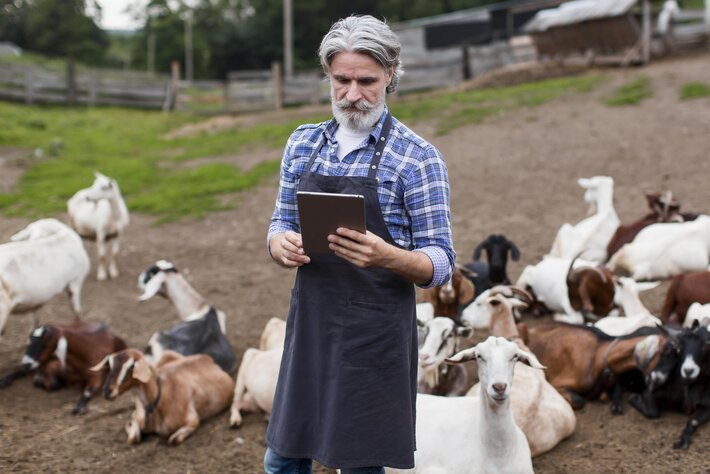
Traceability and disease-management requirements can encourage more consistent identification and records. Successful adoption still needs usable information, staff able to respond and equipment appropriate to the conditions of the farm.
Add environmental context to the monitoring plan
Deep Orbital’s connected sensors, weather stations and gateways can provide complementary field and environmental observations for agricultural projects. Explore the agricultural instruments range when planning how soil and weather data should fit alongside animal-specific monitoring.