A connected robot combines the ability to act on the physical world with information from a wider network. Measurements from its own sensors can be interpreted alongside data from other machines, edge computers or cloud services, helping the robot coordinate its work within an operational system.
Sensing, computation and movement have different roles
Sensors measure conditions such as position, motion or temperature. Actuators turn control instructions into movement or another physical action. Processing software links the observations to a decision, while communications allow the machine to exchange status and instructions with the rest of the deployment.
Edge computing keeps time-sensitive processing close to the machine. Cloud services can provide storage, broader analysis and fleet-level management. Wi-Fi, Bluetooth, Zigbee and cellular technologies such as 5G offer different communications options according to range, power and response requirements.
Factories use connectivity to coordinate equipment
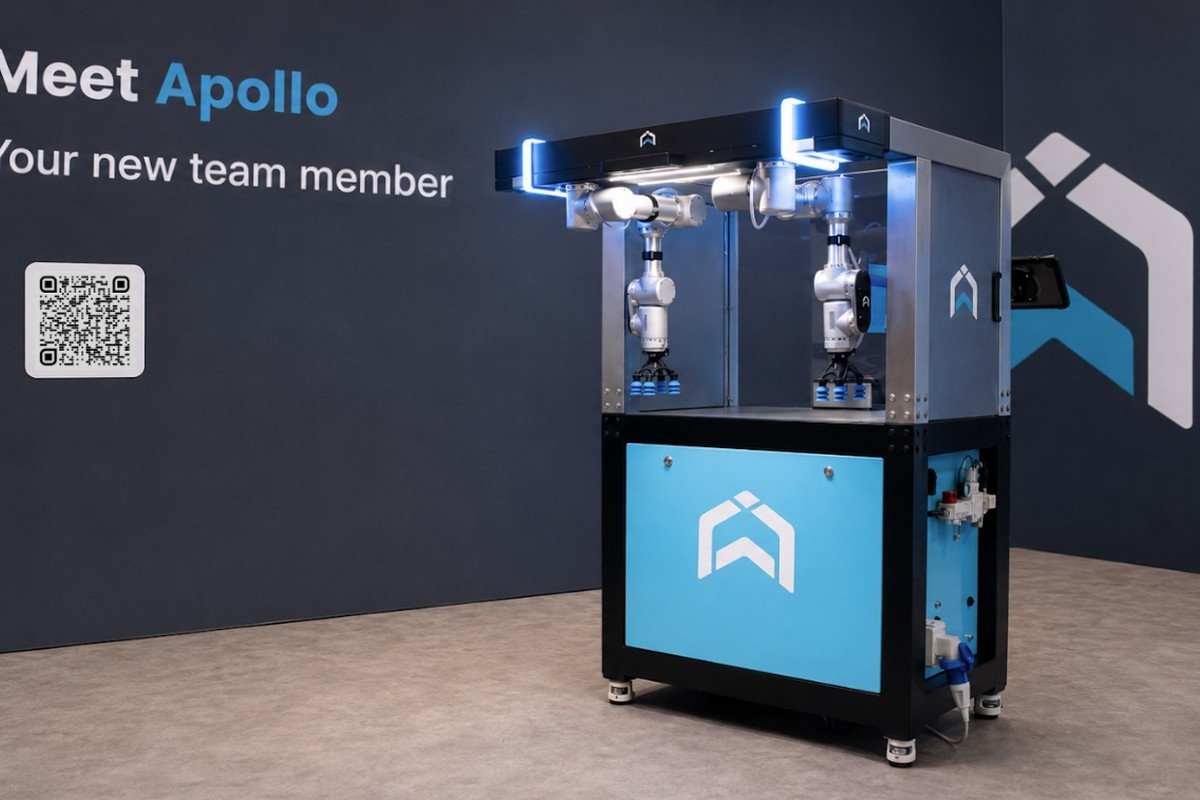
In manufacturing, connected robots support production control, condition monitoring and maintenance planning. A machine’s operating record can help identify a developing problem and coordinate work with other equipment. Collaborative robots provide another route for combining human judgement with automated physical tasks.
The same building blocks support different settings
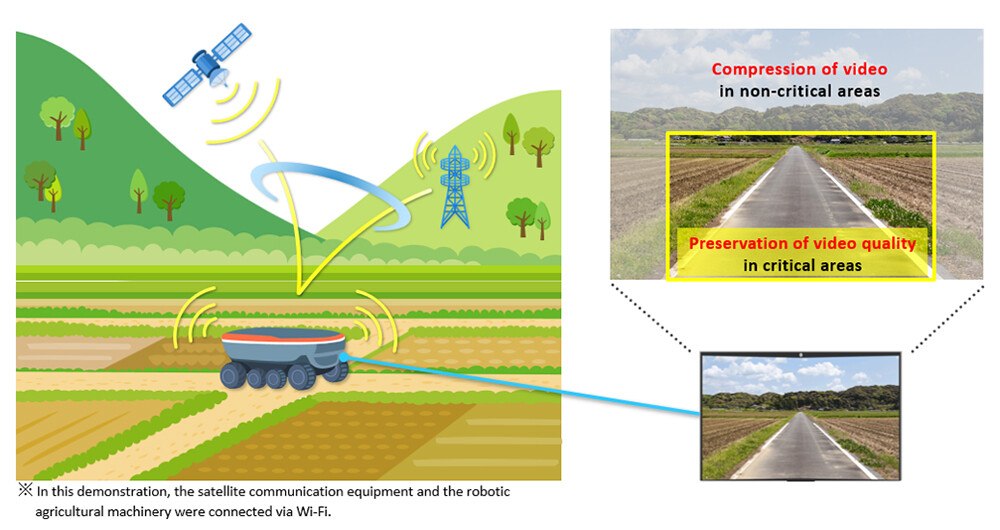
Agricultural robots can link planting, crop treatment or harvesting with observations of field conditions. Connected warehouse vehicles coordinate inventory movements and order fulfilment. Their shared requirement is information that helps a machine work with the people and processes around it.
In healthcare, robotic equipment can assist clinical procedures or support monitoring and care workflows under the relevant supervision. In homes, cleaning and assistance devices use connectivity to receive commands or coordinate routines. Disaster-response and environmental-monitoring robots can collect information in places that are difficult for people to reach.
Better coordination can improve the way work is organised
Connected information can help machines adapt to changing conditions, reduce unnecessary work and expose faults sooner. Maintenance planning may reduce interruptions, while fleet-level records help managers compare performance and organise additional deployments. Robots can also take on hazardous or physically demanding tasks, reducing human exposure where the system is appropriately designed.
Integration and safety remain engineering tasks
A networked robot introduces security and privacy questions because remote information can influence a physical action. Devices from different manufacturers may use incompatible interfaces, and the cost of combining hardware, software and operating support can be substantial.
Latency also matters. A task requiring an immediate response cannot rely on every command arriving quickly from a distant service. The division between local control and remote management must fit the consequences of delay or interruption. Responsibility, changes in job roles and the treatment of people affected by automated decisions also need consideration.
More capable software will need equally capable operations
AI can help interpret measurements and plan responses, while improved networks can support more demanding exchanges. Coordinated groups of robots offer possibilities in fields such as agriculture and environmental response. Their usefulness will depend on interoperability, dependable control and an operating plan that turns technical capability into repeatable work.