
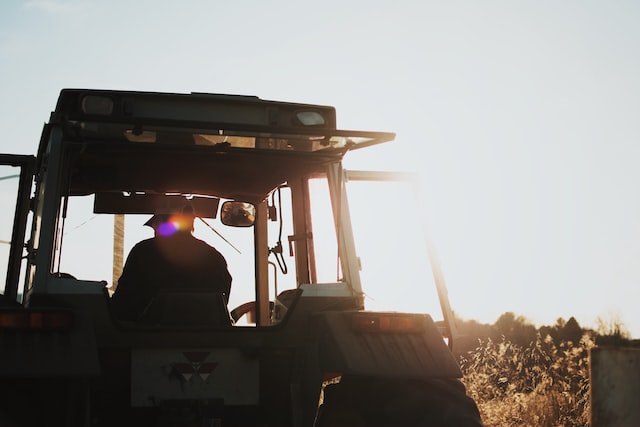
Connected farming brings sensors, machinery and software into a shared view of agricultural production. By following conditions in fields, animals and equipment, businesses can make more targeted decisions and carry useful information further along the food chain.
The approach addresses a familiar difficulty: each part of the system may see only its own activity. Better records can help producers understand resource use, help customers trace products and give businesses earlier warning of waste or operational problems. These opportunities depend on the quality of the measurements and how people use them.
From mechanisation to connected decisions
Farm mechanisation increased the amount of work that could be performed with tractors, combines and other equipment. Positioning technologies later added guidance and location records. Wireless communications and remote sensing extended that information to soil conditions, weather and machinery performance, while drones and analytical software added further ways to observe and manage a farm.
The connected element is the ability to bring these observations together. Soil moisture, crop development, local weather and equipment condition can be examined in relation to the same operation rather than remaining isolated records.
More targeted work from agricultural machinery
Guidance and automated controls can reduce unnecessary passes and apply inputs more precisely. A GPS-guided tractor or planter can follow a planned route, while variable-rate equipment adjusts applications to the conditions being managed. The objective is to avoid using seed, fertiliser, fuel or crop-protection products where they do not contribute to the task.
A documented GPS-guidance example describes input reductions of 10–20%, covering materials such as seed and fertiliser as well as fuel. That range is an example from a particular assessment, not a guaranteed saving for every farm or machine. Terrain, practice and configuration all affect the result.
Continuous operating records can also support maintenance. Changes in machine behaviour may reveal a developing fault before it causes an extended interruption. Linking maintenance decisions to the actual state of equipment can help protect a time-sensitive field operation.
Seeing changes before they become larger losses
Field and livestock monitoring can provide observations between routine inspections. Growers and stock managers can follow trends and investigate unusual conditions earlier, whether the concern is irrigation, crop stress or an animal environment. Reliable records also make it easier to compare operations and understand why a change was made.
Carrying information from production to purchase
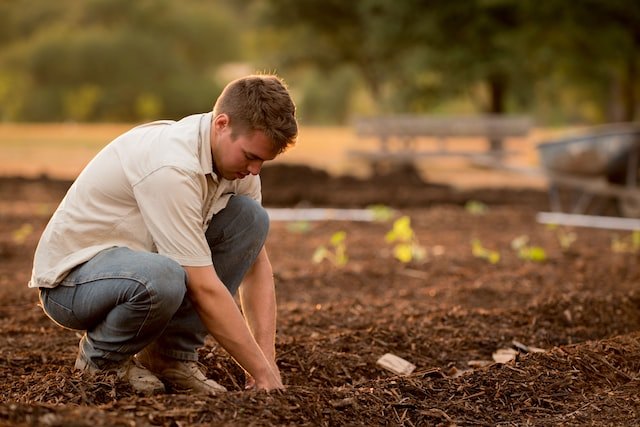
A connected production record can support traceability as products move between businesses. Information about growing conditions, handling and the route through the supply chain can improve confidence in origin and help investigate a quality concern. Useful traceability requires a record that stays associated with the product as ownership changes.
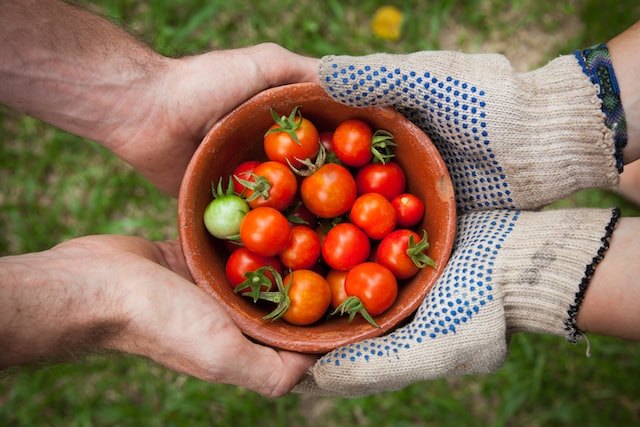
More detailed monitoring can also help producers meet different customer requirements and maintain the conditions needed for selected production practices. Production records help document how those requirements were met and support the evidence needed for the relevant standards.
Reducing avoidable pressure on the environment
Measurements can help target irrigation, fertiliser and crop-protection applications instead of treating every part of a field identically. The same records can reveal whether a change in practice actually reduced resource use or simply shifted it elsewhere.
Connected machinery and energy monitoring can reduce unnecessary fuel use and identify inefficient equipment schedules. Soil observations and mapping can inform measures such as cover crops or habitat corridors. Better crop forecasting and production planning may also reduce losses and avoid creating more product than a supply chain can handle.
Connecting the record to an operational purpose
The strongest case for connected farming is a practical one: a useful measurement reaches someone able to act on it, and the outcome can be checked afterwards. Linking those decisions across machinery, crops and the food chain can improve resilience without assuming that installing technology alone delivers the result.