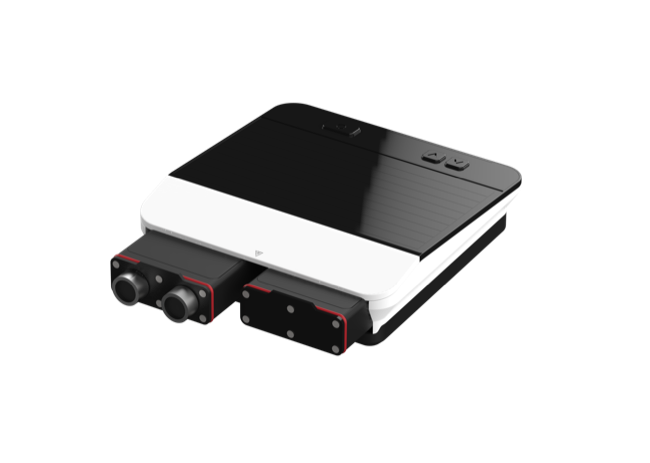
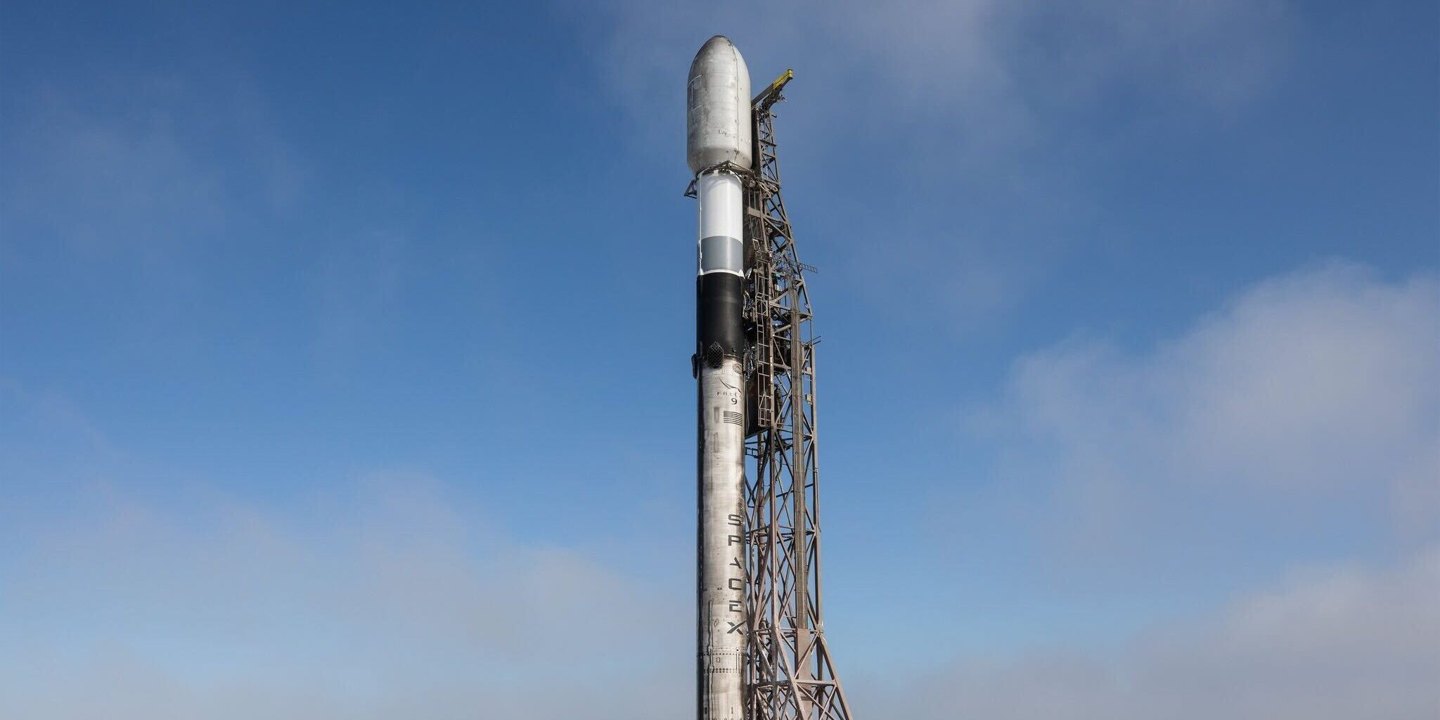
Lacuna Space is expanding a direct-to-device satellite network designed for small messages from low-power instruments. Its Call of the Wild missions carry the company’s LoneWhisper payload, bringing more capacity to applications such as water-quality monitoring and soil sensing in places without dependable terrestrial infrastructure.
A network built around modest data requirements
Many environmental instruments need to report a few readings rather than stream large amounts of data. LoneWhisper is designed to receive these small, infrequent transmissions directly from the ground. A suitable sensor can therefore communicate with an orbiting receiver without a local cellular connection or a separate terrestrial gateway.
The approach suits distributed assets where power and maintenance access are limited. Typical instruments in the described deployments send only a few short messages each day and can operate for years on a battery, depending on their configuration. Reporting intervals and network access determine how quickly a remote user receives an update; a low-volume satellite service should not be confused with a continuous broadband stream.
Replacing isolated samples with repeated observations
Water monitoring often depends on staff travelling to a site, taking a sample and returning later for another measurement. That process becomes difficult across remote wells, dispersed catchments and long stretches of river. Connected instruments can make repeated observations available between visits and help teams identify when a location needs closer attention.
Applications already being explored include pH, turbidity and salinity measurements in boreholes and wells, salinity and runoff tracking in agriculture, and pollution monitoring in rivers and coastal areas. The same communications architecture can also carry soil-moisture readings from isolated farmland.
The value comes from a more consistent record across locations that are expensive to inspect manually. Water managers can use those records to follow changing conditions, investigate unusual readings and support flood-warning or environmental-compliance work. The measurements remain dependent on suitable instruments, installation and maintenance.
Scaling the receiver as well as the coverage
Lacuna’s development builds on earlier LoRa satellite experiments, repeated missions and spectrum surveys. The company designs LoneWhisper in-house and positions it as a way to increase the number of low-power devices its orbital infrastructure can serve. The new satellites form part of a wider sequence intended to expand coverage and message throughput.

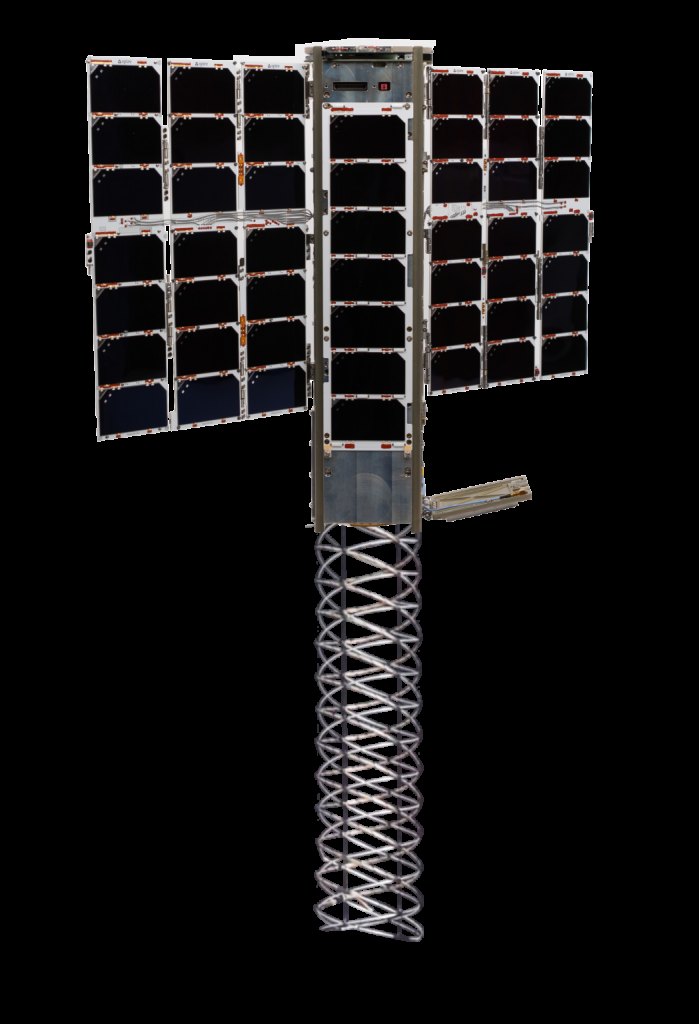
One satellite configuration combines a spacecraft built by Spire with an antenna from Oxford Space Systems. The broader engineering objective is to move from isolated demonstrations toward repeatable deployments that can serve many remote instruments. Satellite availability, supported devices and service arrangements still need to be matched to each project.
Choosing a reporting pattern that matches the job
Remote water and agricultural monitoring do not all require the same update rate. A slowly changing well measurement has different communications needs from a fast safety-critical control loop. Direct-to-orbit messaging is particularly relevant when a small amount of useful information can replace a costly site visit or fill a gap in a wider environmental record.